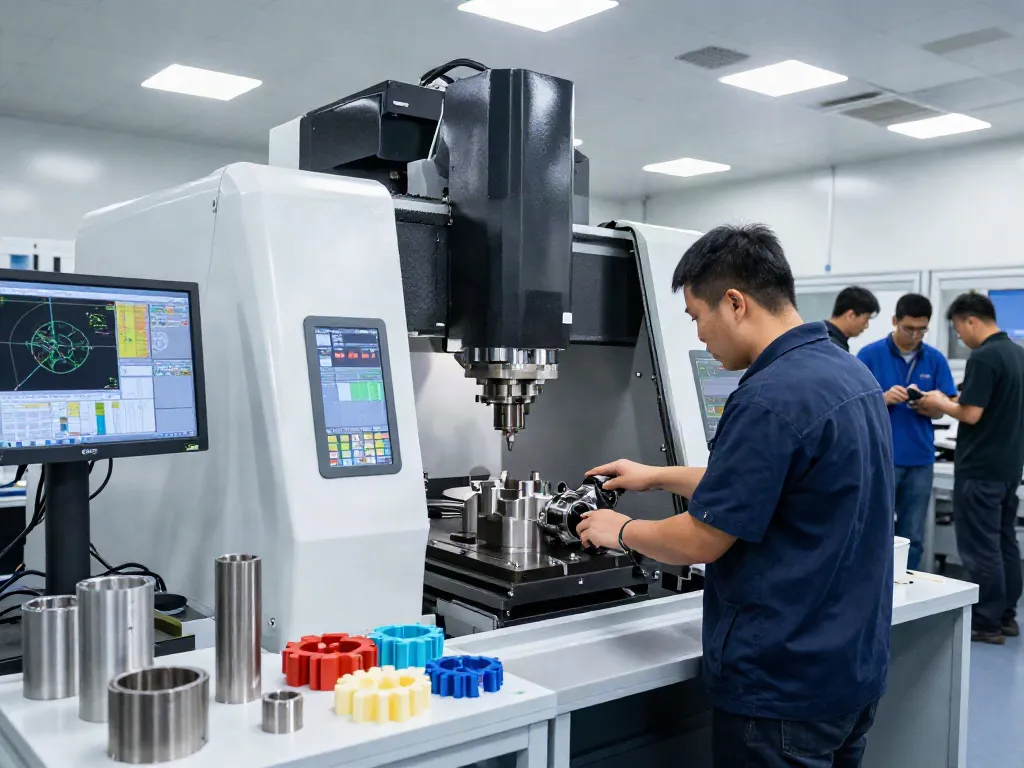
Understanding Aerospace CNC Machining
CNC machining has revolutionized the manufacturing landscape, especially within the aerospace industry. Since 2003, Honscn has been at the forefront, providing precise and reliable CNC machining services for aerospace applications. Understanding the unique requirements of aerospace components is essential for manufacturers aiming to deliver high-quality, durable parts. This overview provides valuable insights into the essential elements of CNC machining for aerospace applications, key advantages, and the materials commonly utilized.
What is CNC Machining in Aerospace?
Computer Numerical Control (CNC) machining is a manufacturing process that utilizes programmed computer software to control machine tools. In the aerospace sector, CNC machining is critical for producing components that require extreme precision and reliability. These components often include parts for aircraft engines, landing gear, and other essential structures where safety is paramount.
Key Benefits of CNC Machining for Aerospace Components
- Precision and Repeatability: CNC machining can produce parts with tolerances as tight as +/-0.001 inches, ensuring consistency and accuracy across hundreds or thousands of components.
- Versatility: Capable of working with an extensive range of materials—metals and plastics—CNC machining can be tailored to the specific needs of aerospace applications.
- Efficiency: Through rapid prototyping and mass production capabilities, CNC machining reduces lead times, allowing manufacturers to meet tight project deadlines.
- Cost-Effectiveness: With lower labor costs and reduced material waste, CNC machining can offer a substantial return on investment, particularly in large-scale production runs.
Essential Aerospace Materials Used in CNC Machining
CNC machining for aerospace applications involves an array of materials, with metal and plastic being the most commonly used. Key materials include:
- Metals: Aluminum alloys (e.g., 6061, 7075), titanium alloys (e.g., Ti-6Al-4V), and stainless steel (e.g., 304, 316) are preferred for their strength-to-weight ratios and resistance to corrosion.
- Plastics: Material options like Polypropylene (PP), Polyurethane (PU), and Polycarbonate (PC) are utilized for specific applications where weight reduction and corrosion resistance are critical.
Choosing the Right Aerospace CNC Parts Manufacturer
When selecting a manufacturer for aerospace CNC parts, it’s essential to consider several criteria to ensure that you are partnering with one of the leading aerospace cnc parts manufacturers. The right partner will not only meet your specific requirements but also adhere to stringent industry standards.
Criteria for Selecting Leading Aerospace CNC Parts Manufacturers
- Experience and Expertise: Look for manufacturers with a proven track record in the aerospace sector, showcasing their knowledge of industry-specific challenges and regulations.
- Certifications: Ensure the manufacturer has relevant certifications such as AS9100 or ISO 9001, which validate their commitment to quality management systems.
- Technological Capability: Evaluate their machinery and technology capabilities, including the use of advanced CNC equipment and software to enhance production efficiency.
Evaluating Manufacturer Capabilities and Certifications
Beyond certifications, assessing a manufacturer’s capabilities involves reviewing their quality assurance processes, their ability to handle complex geometries, and the technology they employ. Companies should prioritize manufacturers that conduct rigorous testing to ensure that every component meets the required safety and efficacy standards.
Understanding Cost vs. Quality in Aerospace Machining
Cost considerations must not come at the expense of quality. While cheaper options might seem appealing, they may lead to substandard parts that compromise safety and performance. Organizations should balance cost with quality by investing in reputable CNC machining partners that guarantee performance and longevity.
Common Challenges in Aerospace CNC Machining
Aerospace CNC machining is not without its challenges. Recognizing these obstacles can help manufacturers implement effective strategies to navigate them successfully.
Addressing Tolerances and Quality Control Issues
Maintaining tight tolerances is crucial in aerospace manufacturing. Quality control protocols must be rigorously structured to identify and address any deviations from specifications. This often involves advanced inspection technologies, such as coordinate measuring machines (CMM) and precision laser scanning, to ensure components meet stringent industry standards.
Dealing with Material Limitations and Supply Chain Dynamics
The aerospace industry often faces material shortages and supply chain disruptions. Manufacturers must stay informed about market trends and develop strong relationships with suppliers to mitigate risks associated with material availability. Employing a flexible manufacturing approach can also help manage sudden changes in material supply.
Navigating Regulatory Compliance in Aerospace Manufacturing
Compliance with industry regulations is critical for aerospace manufacturers. Organizations must be well-versed in FAA regulations, international safety standards, and environmental considerations to avoid costly penalties and ensure continued operation.
Innovations and Trends in Aerospace CNC Machining
The aerospace industry is evolving rapidly, and staying ahead of innovations is vital for manufacturers looking to lead in this competitive field. Emerging technologies are reshaping CNC machining practices, enhancing efficiency and capability.
Emerging Technologies in CNC Machining for Aerospace Parts
Technological advancements such as additive manufacturing and hybrid machining processes are becoming increasingly integrated into CNC platforms. These innovations allow for more complex designs and can significantly reduce material waste.
The Future of Automation in Aerospace Manufacturing
Automation continues to play a pivotal role in manufacturing, with robotics and AI streamlining production processes. Automated systems can improve the precision of CNC machining, reduce production times, and enhance safety in the workplace.
Impact of AI on Precision Machining for Aerospace
Artificial Intelligence (AI) is transforming how precision machining is approached. Predictive maintenance powered by AI algorithms can foresee equipment failures before they happen, minimizing downtime and ensuring consistent production quality.
Maximizing Efficiency in Aerospace CNC Production
To stay competitive, aerospace manufacturers must adopt strategies that promote efficiency across all stages of production. Best practices can streamline processes and enhance overall performance.
Best Practices for Rapid Prototyping in Aerospace
Rapid prototyping is crucial for testing and refining designs before mass production. Utilizing advanced CNC technologies can significantly reduce the prototyping lifecycle, enabling faster iterations and more effective design adjustments.
Strategies for Streamlining Mass Production Processes
Mass production in aerospace needs well-planned workflows that harness lean manufacturing principles. Techniques like just-in-time production, inventory management, and continuous flow systems can help to reduce lead times and costs.
Measuring Success: Key Performance Indicators for Aerospace Machining
To evaluate manufacturing success, it’s essential to establish clear Key Performance Indicators (KPIs). Metrics such as yield rates, production cycles, and cost variances provide insights into operational efficiency and areas for improvement.
What Challenges Should Manufacturers Prepare For?
Anticipating challenges such as regulatory changes, supply chain disruptions, and technological advancements can position manufacturers to adapt and thrive. Proactive strategies, including contingency planning and ongoing training, help organizations remain resilient.
How to Ensure Your Parts Meet Industry Standards?
To guarantee compliance with industry standards, manufacturers must implement comprehensive quality management systems. Regular audits, employee training, and robust documentation processes are key to maintaining high standards throughout production.
What Materials are Best for Aerospace CNC Machining?
The best materials for aerospace CNC machining depend on the specific application and performance requirements. Combining lightweight metals and high-performance plastics can yield parts that meet stringent safety and performance standards while optimizing weight and cost.