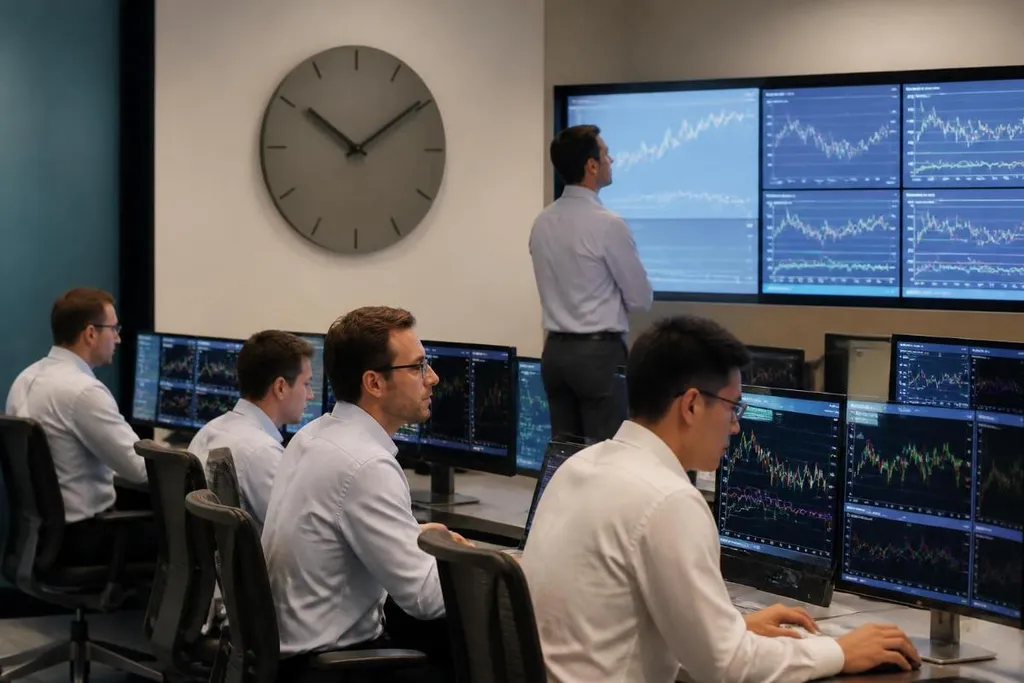
Understanding the Forex Quote API
The landscape of financial markets is undergoing a significant transformation, driven by technological advancements and the decentralization of finance (DeFi). Among these innovations, the forex quote API has emerged as an essential tool for developers, traders, and financial analysts. This technology enables users to access real-time data on global currency pairs, facilitating informed trading decisions and strategic planning. As we delve deeper into the world of forex APIs, it is crucial to comprehend their intricacies, applications, and the implications they hold for modern trading.
The Basics of Forex Quotes
Forex quotes represent the value of one currency relative to another in the foreign exchange market. This value fluctuates constantly due to a range of factors, including economic indicators, political stability, and market sentiment. In a forex quote, the first currency listed is known as the base currency, and the second is the quote currency. For instance, in the quote EUR/USD = 1.20, the Euro (EUR) is the base currency, and the US Dollar (USD) is the quote currency, indicating that 1 EUR is worth 1.20 USD.
Understanding how to interpret these quotes is essential for traders to execute trades effectively, as they need to recognize when to buy, hold, or sell a currency pair based on market conditions.
How Forex APIs Function
A Forex API allows users to access various types of data through automated requests. Developers can integrate this data into their applications using programming languages such as Python, Java, or JavaScript. Typically, forex APIs provide access to real-time exchange rates, historical data, and other financial metrics to support quantitative trading strategies.
Forex APIs employ two primary methods for data delivery: RESTful API and WebSocket. While REST APIs are used for synchronous requests where data is pulled at regular intervals, WebSocket enables continuous, real-time data streaming. This is particularly useful for high-frequency traders who rely on the most current market information to gain a competitive edge.
Key Features of a Professional Forex Quote API
When selecting a forex quote API, several key features should be considered to ensure it meets trading needs:
- Real-Time Data Access: A quality forex API should provide real-time exchange rates with minimal latency, ideally under 100 milliseconds, to maintain accuracy and timeliness in trading.
- Extensive Currency Coverage: The best APIs cover a wide array of global currency pairs, often exceeding 150 pairs to cater to diverse trading strategies.
- Historical Data: Access to historical exchange rates allows traders to analyze past market behavior and trends, forming the backbone of technical analysis.
- Technical Indicators: Advanced APIs may also include built-in technical indicators, enabling traders to conduct in-depth analysis without requiring separate data sources.
- Market Depth Information: For professional traders, understanding market depth is crucial; hence, APIs that provide liquidity data can enhance decision-making.
- Security and Compliance: Ensuring that the API conforms to regulatory standards and employs robust security measures is essential to safeguard sensitive trading data.
The Importance of Real-Time Data
Real-time data is at the heart of any successful trading strategy. In the fast-paced world of forex trading, even a fraction of a second can make a significant difference in achieving optimal pricing.
Benefits of Instantaneous Exchange Rates
Access to instantaneous exchange rates allows traders to capitalize on market movements as they happen. This immediacy is paramount in strategies such as scalping, where traders make multiple trades throughout the day to profit from minor price fluctuations. Instantaneous rates also help traders adapt rapidly to breaking news, economic releases, and other critical market events that could impact currency values.
Applications in Trading Strategies
The utilization of real-time data has revolutionized trading strategies. For instance, algorithmic trading relies heavily on automated systems that execute orders based on pre-determined criteria using real-time data. Moreover, high-frequency trading (HFT) firms leverage real-time forex APIs to optimize their trading algorithms for superior execution times and precision.
Historical Data and Market Trends
Historical data serves as a foundation for both technical and fundamental analysis. Traders employ historical exchange rates to identify trends, establish support and resistance levels, and evaluate the implications of economic events on currency pairs.
Understanding market trends is also key to predicting future movements. Patterns established through historical data often recur; thus, traders can use this knowledge to anticipate potential price actions.
Integrating Forex APIs in Your Trading Platform
Integration of a forex API into a trading platform can streamline operations and enhance the overall trading experience. There are several considerations to keep in mind when implementing an API.
Choosing the Right API for Your Needs
When choosing a forex quote API, it's important to evaluate the functionality, reliability, and support options offered. Some APIs may specialize in providing comprehensive data analysis tools, while others may focus on speed and latency. Traders must match their requirements with the strengths of the API to optimize their trading effectiveness.
Data Management Best Practices
Effective data management is critical when utilizing a forex API. Traders should establish protocols for storing, processing, and analyzing data to ensure data integrity and usability. Data consistency, backup, and recovery plans should be implemented to mitigate the risks of data loss.
Implementing Security Measures with APIs
Security is paramount when integrating any third-party service into a trading platform. Here are some best practices:
- API Key Management: Use secure methods for generating and storing API keys to prevent unauthorized access.
- Two-Factor Authentication: Utilize 2FA for added security to verify user identity before accessing sensitive API data.
- Regular Audits: Perform regular security audits to identify and address any vulnerabilities in the API integration.
Analyzing Technical Indicators
Technical indicators are fundamental tools for forex traders, providing signals based on price movements and trading volume. Mastery of these indicators can significantly enhance trading outcomes.
Common Indicators for Forex Trading
Several technical indicators are widely utilized in forex trading, which include:
- Moving Averages: These smooth out price data to aid in identifying trends over specific periods.
- Relative Strength Index (RSI): A momentum oscillator that measures the speed and change of price movements, helping traders identify overbought or oversold conditions.
- Moving Average Convergence Divergence (MACD): This indicator helps traders identify potential buy or sell signals through the relationship between two moving averages.
Leveraging Indicators for Market Predictions
Traders can leverage these indicators to predict future price movements. By combining various indicators, traders can develop robust strategies that align with market sentiment and price action.
Specialized Tools for Technical Analysis
In addition to standard indicators, specialized tools such as Fibonacci retracement levels, Bollinger Bands, and pivot points serve as valuable assets for technical analysis. Using these tools allows traders to uncover deeper insights and make better-informed decisions.
Regulatory Compliance and Best Practices
As the financial landscape evolves, understanding compliance and regulatory aspects of forex trading is increasingly important for traders and developers alike.
Understanding Forex Trading Regulations
Various regulatory bodies oversee forex trading to protect market participants and ensure fairness. In the United States, the Commodity Futures Trading Commission (CFTC) and the National Futures Association (NFA) regulate forex trading activities. Similarly, in Europe, the Financial Conduct Authority (FCA) provides oversight on forex brokers and services.
Data Privacy and Security Concerns
Regulatory guidelines also touch on data privacy, requiring firms to implement measures that protect client data and ensure secure transactions. Keeping abreast of these regulations is crucial for compliance and to avoid potential legal pitfalls.
Future Trends in Forex API Regulations
The future of forex API regulations may involve stricter compliance measures, especially in relation to data privacy and security standards. This could include enhanced KYC (Know Your Customer) requirements and AML (Anti-Money Laundering) practices that firms must implement when handling financial data.
What is a Forex API key?
A Forex API key is a unique identifier assigned to users when they sign up for a forex API service. This key must be included in API requests to authenticate access and ensure that only authorized users can retrieve sensitive data.
What data can I get from a Forex API?
Forex APIs typically provide a variety of data, including:
- Real-time exchange rates
- Historical price data
- Market depth and liquidity information
- Economic calendar events
- Technical indicators
Is there a free forex API available?
Yes, several forex APIs offer free tiers with limited access to data. These can be useful for individual traders or developers seeking to experiment with forex data integration.
How to choose the best Forex API?
Choosing the best forex API depends on specific needs. Consider the API's coverage, data latency, reliability, security features, and customer support. Comparing user reviews and testing different APIs can help traders make informed decisions.
Are Forex APIs reliable for trading?
The reliability of Forex APIs significantly contributes to their effectiveness for trading. High uptime, minimal latency, and robust data accuracy are essential determinants that establish whether an API can be trusted for trading strategies.
Security Threats & Risk Management
With the increasing reliance on technology in trading, understanding potential security threats and instituting effective risk management strategies is paramount.
Common Security Threats
Some common security threats include:
- Phishing Attacks: Cybercriminals impersonate legitimate services to steal API keys or personal information.
- Account Takeovers: Through methods like sim-swapping, attackers can gain control over a trader’s account.
- Fake ICOs and Rug Pulls: Scammers create fraudulent projects to attract investments before disappearing.
- 51% Attacks: Smaller blockchains might face attacks where one entity gains majority control over the network.
Providing Risk Mitigation Strategies
Effective risk management can help traders minimize potential losses:
- Due Diligence: Always conduct thorough research on projects and services before engaging.
- Red Flag Identification: Be aware of signs indicating potential fraud, such as unrealistic returns on investment.
- Community Reputation: Engage in community discussions to gauge a project’s credibility.
- Gradual Investment Approach: Avoid investing large amounts at once; instead, build positions gradually.
- Emergency Exit Strategies: Establish plans to quickly exit an investment if market conditions worsen.
Final Thoughts
The integration of a robust forex quote API is critical for traders looking to gain a competitive edge in the fast-evolving currency markets. With the right tools, traders can analyze data with heightened precision, adapt strategies in real time, and execute trades efficiently. However, understanding the underlying risks and regulations surrounding forex trading is equally important. As always, this is not financial advice; do your own research (DYOR) and consult with a qualified financial advisor before making investment decisions.