Understanding Age Perception
Age perception is a fascinating psychological concept that plays a significant role in how we view ourselves and how others see us. It is the mental process through which we evaluate someone's age based on various visual cues. When asking yourself, "how old do I look?" you engage in an introspective journey that not only reflects self-awareness but also invokes curiosity about societal standards of beauty and youthfulness. In today’s digital age, tools that help estimate age through facial analysis have gained immense popularity, making this self-reflection accessible and immediate. For those curious about their age estimation journey, how old do i look offers a platform to explore this topic further.
What Does It Mean to Ask, "How Old Do I Look?"
Asking "how old do I look?" is often more than a simple inquiry about one’s appearance; it is a reflection of our cultural and personal obsessions with youth and aging. This question can stem from various motivations, such as seeking validation, wanting to understand social perceptions, and navigating the complex interplay between age and beauty. In many cultures, being perceived as youthful is associated with vitality and desirability, driving individuals to explore tools that can provide insights into their perceived age.
The Psychology Behind Age Estimation
The psychology of age estimation is deeply intertwined with self-esteem and identity. Studies show that individuals who receive positive feedback on their perceived age may experience heightened self-esteem and confidence. Conversely, negative feedback can lead to feelings of insecurity and anxiety regarding aging. This psychological dynamic is essential for understanding why many people are drawn to age estimation technologies, as they offer a numerical validation of how one is perceived against societal standards.
Common Misconceptions About Age Perception
There are several misconceptions surrounding age perception that can lead to misinterpretations of results from age estimation tools. One common myth is that these tools are always accurate; however, they rely on algorithms that may not account for individual variations such as skin type, lifestyle, or makeup use. Moreover, age estimation based on facial cues can sometimes be influenced by cultural standards of beauty that emphasize certain features over others. Understanding these limitations is crucial for users to maintain realistic expectations and foster a healthy relationship with their age perception.
How AI Technology Works for Age Estimation
Artificial Intelligence (AI) has revolutionized the way we approach age estimation, enabling tools to analyze facial features accurately and efficiently. By employing machine learning algorithms, these tools can detect subtle signs of aging, such as wrinkles, skin texture, and facial contours, to provide a comprehensive age estimate.
Overview of AI Facial Analysis Tools
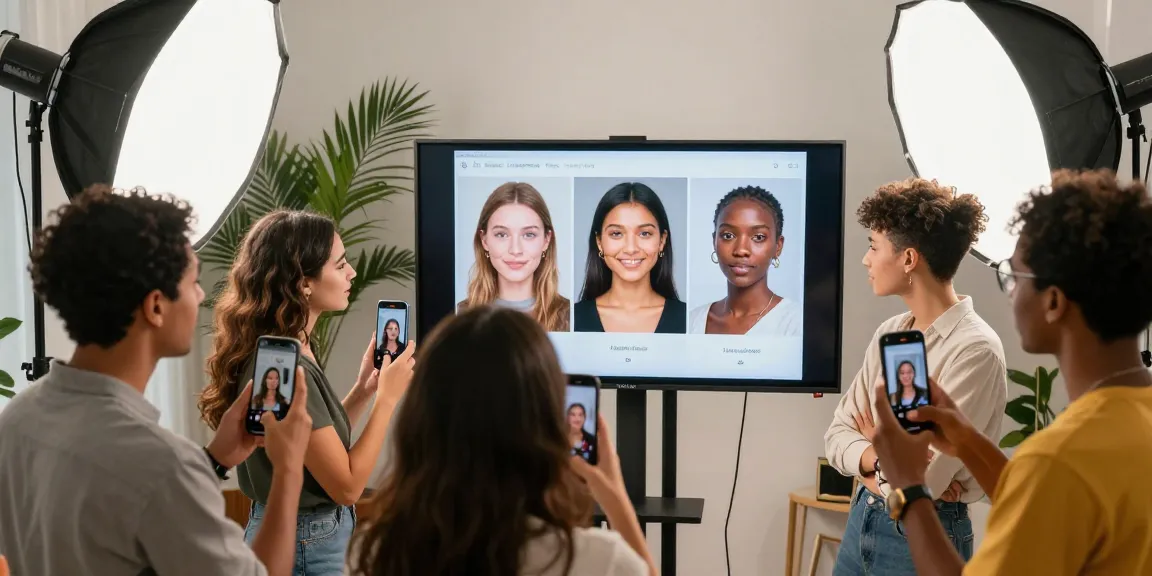
AI facial analysis tools utilize a combination of computer vision and deep learning to assess photographs and live scans. These technologies examine various facial characteristics, extracting features that correlate with aging. Users can upload images or participate in real-time analysis, receiving instant feedback on their perceived age. With a plethora of options available, including applications and web-based platforms, anyone can engage with this technology without the need for specialized knowledge.
The Science Behind AI Age Predictions
The accuracy of AI age predictions is grounded in extensive datasets comprising images of diverse age groups. These datasets help train machine learning models to recognize patterns associated with aging. Algorithms are fine-tuned continually to improve precision by learning from discrepancies in past predictions, thereby enhancing the overall user experience and result accuracy. Understanding the underlying science promotes transparency and trust in these technologies.
Privacy Concerns with Age Estimation Apps
With the growing use of AI for facial analysis comes a significant concern regarding privacy. Users often upload personal images to these platforms, raising questions about data security and how images are used. It's vital for consumers to choose platforms that prioritize privacy and outline their data handling practices clearly. Users should seek applications that ensure anonymity and provide robust privacy protocols, reassuring them that their images will not be misused.
Practical Applications of Age Estimation Tools
The practical applications of age estimation tools extend beyond mere curiosity, influencing various industries including beauty, healthcare, and marketing. Understanding the implications of these tools aids businesses in tailoring their strategies to meet consumer expectations.
Use Cases in Beauty and Skincare Industries
The beauty and skincare industries have embraced age estimation tools to provide personalized product recommendations. Consumers can gauge their perceived age and select products that target specific skin concerns linked to aging. For instance, someone who is estimated to look older may be recommended anti-aging creams, while those appearing younger might explore products focusing on hydration and glow. This personalized approach enhances customer satisfaction and loyalty.
Age Estimation in Social Media and Online Platforms
Social media platforms have also adopted age estimation technologies to enhance user engagement. By allowing users to share their "perceived ages," platforms can foster conversations around beauty standards, aging, and self-image. Age-related filters are increasingly popular, enabling users to visualize how they might look as they age or to explore various beauty trends through the lens of age perception. These interactive features keep users engaged and create a vibrant online community.
How Businesses Leverage Age Perception Data
Businesses across various sectors, from fashion to hospitality, leverage age perception data to better understand their target audience. By analyzing user demographics and preferences, companies can develop tailored marketing campaigns that resonate with specific age groups. For example, a brand targeting a younger audience may utilize a fresh and vibrant aesthetic, while one appealing to older consumers may embrace a more classic approach. This strategic alignment enhances marketing effectiveness and brand loyalty.
Challenges and Limitations of Age Estimation
While AI-powered age estimation tools offer exciting possibilities, they are not without challenges. Users should be aware of the limitations to make informed decisions about their use.
Accuracy Issues in AI Predictions
One significant challenge is the variability in accuracy across different demographic groups. Factors such as ethnicity, gender, and facial features can lead to discrepancies in age estimation. For instance, certain facial characteristics common in some cultures may be interpreted differently by AI algorithms. Continuous refinement of these technologies is essential to minimize bias and enhance accuracy across diverse populations.
Age Bias: How It Affects User Experience
Age bias is another critical issue that can influence user experience. Users may feel judged based on the results generated by age estimation tools, leading to negative self-image and impacting their emotional well-being. It is essential to approach the results with a healthy perspective, recognizing that these assessments are not definitive measures of self-worth but rather reflections of societal standards and technological interpretations.
Future Improvements in Technology and Algorithms
As technology advances, there is potential for significant improvements in age estimation algorithms. Future developments may include the incorporation of additional data points, such as lifestyle factors and psychological elements, to create a more holistic understanding of age perception. Enhanced personalization will likely pave the way for more reliable and context-sensitive results, addressing current limitations and enriching user experiences.
Insights into Future Trends
As we look ahead to 2026 and beyond, the landscape of age estimation technologies will continue to evolve, influenced by cultural shifts and technological advancements.
What to Expect in Age Estimation Technology by 2026
By 2026, we can anticipate a marked increase in the accuracy and accessibility of age estimation technologies. As machine learning algorithms become more sophisticated, users will likely benefit from personalized experiences that consider not just facial features, but also dermatological health and lifestyle habits. Furthermore, the integration of augmented reality (AR) may enhance user interaction, allowing for immersive experiences that illustrate the aging process in real time.
Emerging Social Trends Around Age Perception
Societal attitudes towards aging are gradually shifting, with growing acceptance of aging as a natural process. Emerging trends indicate a movement towards inclusivity, where individuals of all ages are celebrated for their unique qualities. This trend encourages individuals to engage with age estimation tools not as a measure of worth but as a means of self-expression and exploration.
How Cultural Attitudes Toward Aging May Shift
Cultural attitudes towards aging are expected to shift significantly, influenced by changing demographics and the increasing visibility of older adults in media and society. As more positive representations of aging emerge, individuals may feel less pressure to conform to narrow beauty standards and more empowered to embrace their age. This cultural evolution supports a broader understanding of beauty that transcends age.
What Are the Most Common Age Estimation Questions?
As age estimation tools continue to gain traction, users often have similar inquiries. Common questions include:
- What are the best tools for age estimation?
- How accurate are these AI predictions?
- Can results vary based on lighting or image quality?
- How do I interpret age estimation results?
- What measures should I take to protect my privacy when using these tools?
Are Age Estimation Tools Accurate for Everyone?
No, age estimation tools may not be equally accurate for everyone, primarily due to individual differences in facial features, skin type, and even emotions captured in images. Users should approach results as a general estimate rather than a definitive statement about their age.
What Safety Measures Should Users Take?
To ensure a secure experience when using age estimation apps, users should implement safety measures such as opting for platforms with clear privacy policies, avoiding the input of sensitive personal data, and utilizing tools that prioritize encryption and data protection.
How to Use Age Estimation Tools Responsibly?
Using age estimation tools responsibly involves understanding their limitations and implications. Users should engage with these technologies as a form of entertainment or self-reflection rather than a source of validation. Adopting a balanced perspective will foster a healthier relationship with age perception and beauty standards.