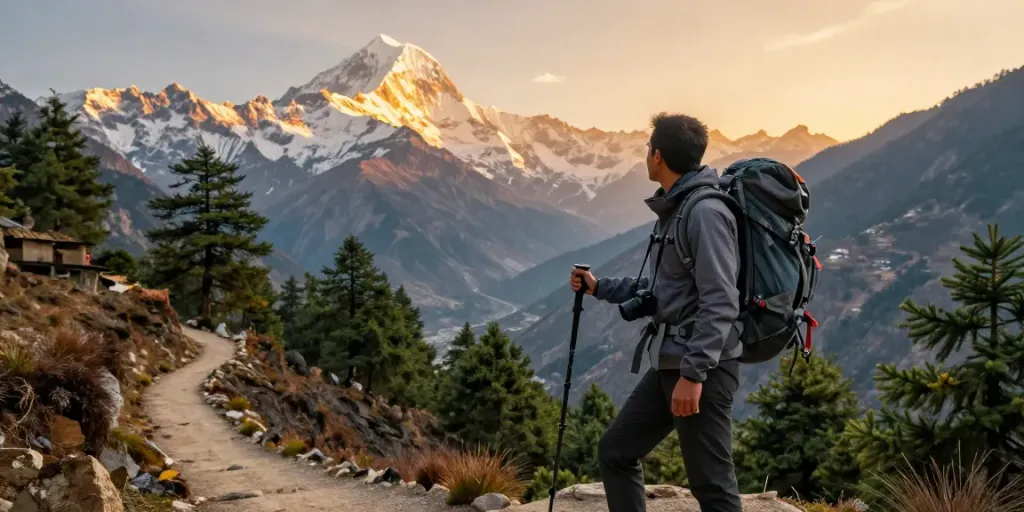
Overview of the Trek to Manaslu Circuit
The Manaslu Circuit Trek is often regarded as one of Nepal's best off-the-beaten-path trekking experiences. Nestled in the Gorkha region, this 15-day trek takes adventurous souls around Mount Manaslu, the eighth-highest mountain in the world, soaring at 8,163 meters (26,781 feet). This trek promises not only breathtaking views of towering peaks and dramatic landscapes but also an immersive cultural experience as trekkers pass through traditional Tibetan villages and ancient monasteries. With its rich natural beauty, diverse flora and fauna, and a chance to encounter the local Gurung and Tibetan cultures, the trek to Manaslu Circuit offers a fulfilling journey for those looking to escape the crowded trails of more popular treks.
What to Expect on Your Trek
The Manaslu Circuit Trek is characterized by its diverse terrain, which spans from lush green valleys to high-altitude alpine environments. Trekkers can expect a variety of challenges, from long daily hikes averaging 5 to 8 hours to crossing the high Larkya La Pass at 5,160 meters (16,929 feet). The trek is renowned for its stunning views, including the majestic sight of Mount Manaslu and its surrounding peaks. Along the trail, trekkers will encounter crystal-clear rivers, cascading waterfalls, and picturesque villages that provide a glimpse into the daily lives of local communities.
History and Cultural Significance of Manaslu
Mount Manaslu, known as "Kangchenjunga" in the local dialect, has been a significant mountain in both geographical and cultural contexts. The region surrounding Manaslu is rich in history, influenced largely by Tibetan Buddhism. Numerous monasteries, prayer flags, and ancient chortens stand as testaments to the area's spiritual legacy. The trek not only highlights the stunning natural beauty, but it also serves as a connection to the cultural heritage of the local ethnic communities, especially the Gurungs and Tibetans, whose traditions and lifestyles have remained largely unchanged for centuries.
Best Times to Trek the Manaslu Circuit in 2026
The optimal times to embark on the Manaslu Circuit Trek are during the spring (March to May) and autumn (September to November) seasons. During spring, trekkers can witness the blooming rhododendrons, vibrant flora, and clear skies, providing stunning vistas of the surrounding peaks. Conversely, autumn brings crisp air and stable weather conditions, allowing for remarkable views and a comfortable trekking experience. Trekkers are advised to avoid the monsoon season (June to August) due to heavy rainfall, which can lead to slippery trails and increased risks of landslides.
Planning Your Manaslu Circuit Trek
Essential Gear for the Trek to Manaslu Circuit
Preparing for the Manaslu Circuit Trek requires careful consideration of gear and equipment suited for high-altitude trekking. Essential items include a durable pair of trekking boots, moisture-wicking clothing, a warm down jacket, and quality fleece layers. Additionally, trekking poles, a sleeping bag rated for sub-zero temperatures, and a good-quality daypack are crucial for comfort and mobility on the trails. Don’t forget to pack a first aid kit, hydration essentials, and personal items like sunscreen and lip balm to protect against harsh mountain conditions.
Creating a Personalized Itinerary
The standard itinerary for the Manaslu Circuit Trek spans 15 days, including acclimatization days to help prevent altitude sickness. However, trekkers may choose to customize their plans based on their fitness levels and preferences. For instance, some may wish to spend additional time in villages to immerse themselves in local culture or to explore extra trekking routes nearby. Consulting with a local trekking agency like Ace the Himalaya can help tailor the itinerary to best fit your goals and abilities.
Understanding Trekking Permits and Regulations
Before embarking on the Manaslu Circuit Trek, trekkers should be aware of the necessary permits required for the journey. These include the Manaslu Conservation Area Permit (MCAP), the Trekkers' Information Management System (TIMS) card, and the Manaslu Restricted Area Permit (RAP). These permits regulate the number of visitors in the region, helping to preserve its natural beauty and cultural heritage. A licensed trekking agency is essential for arranging these permits, ensuring compliance with local regulations, and facilitating a smooth trekking experience.
Physical Preparation for the Trek
Assessing Your Fitness Level for Manaslu Circuit
The Manaslu Circuit Trek presents moderate to challenging physical demands, making it essential to assess and improve your fitness level prior to embarking on the journey. Trekkers should be capable of enduring long hours of walking each day, often on uneven terrain, with some steep ascents and descents. Regular cardiovascular exercises, such as hiking, running, and cycling, can significantly enhance your endurance and stamina. It is advisable to train for at least two months before your trek, gradually increasing the intensity and duration of your workouts.
Training Tips for First-Time Trekkers
First-time trekkers should focus on building overall stamina and strength. Incorporating long-distance hikes into your training regime can be particularly beneficial. Aim to include at least one hike each week that mimics the conditions you will encounter on the Manaslu Circuit, including elevation changes and variable terrain. Strength training exercises targeting the legs, core, and upper body will also prove valuable, as they enhance your ability to carry a backpack and maintain balance on rough paths. Additionally, practice walking with a loaded daypack to simulate actual trekking conditions.
Acclimatization Strategies During the Trek
Acclimatization is a crucial aspect of high-altitude trekking, especially on the Manaslu Circuit, where elevations surpass 5,000 meters. To mitigate the risks of Acute Mountain Sickness (AMS), trekkers should adhere to the principle of “climb high, sleep low.” This methodology allows the body to adjust to decreasing oxygen levels while also ensuring trekkers spend nights at lower altitudes. Allocate specific days in your itinerary for acclimatization, especially at key locations like Samagaon, where you can explore surrounding areas while allowing your body to adjust to the altitude.
Experiencing Local Culture Along the Manaslu Circuit
Traditional Villages and Local Communities
As you trek around the Manaslu region, you will have the opportunity to engage with local communities, primarily composed of ethnic Gurung and Tibetan peoples. Villages like Samagaon and Lho showcase unique architectural styles, with homes built traditionally using local materials. Interactions with locals can provide insight into their daily lives, traditions, and the challenges they face in this remote region. Participating in local cultural practices, such as attending a puja (religious ceremony) at a monastery, can provide an enriching layer to your trekking experience.
Cultural Etiquette and Interaction with Locals
While trekking, it is vital to approach interactions with locals with respect and understanding. Greetings are usually made with a simple smile and a nod, while more formal interactions may require the phrase “Namaste.” Always ask for permission before taking photos of individuals, especially those in traditional attire. Understanding local customs and showing appreciation for their way of life can lead to meaningful exchanges and insights into the rich cultural heritage of the Manaslu region.
Food and Dietary Options on the Trek
Food options during the trek typically showcase local Nepali and Tibetan cuisines, with dishes like dal bhat (rice and lentils), momos (dumplings), and various noodle dishes available at teahouses. Most accommodations offer vegetarian options, which are often preferred to avoid food-related illnesses in remote areas. Garlic is a common ingredient, recognized for its properties that aid acclimatization. Trekkers should ensure they remain hydrated and maintain a balanced diet to support their energy levels during the trek.
Safety and Health Considerations
Preventing Acute Mountain Sickness (AMS)
Acute Mountain Sickness is a common concern for trekkers at high altitudes, including those on the Manaslu Circuit. Preparing for AMS involves understanding its symptoms, such as headaches, dizziness, nausea, and fatigue. To prevent AMS, maintain a gradual ascent, stay hydrated, and listen to your body. If symptoms arise, it may be necessary to descend to a lower altitude. Consulting with your trekking guide on AMS awareness and prevention strategies can ensure a safer trekking experience.
Emergency Protocols During the Trek
In the event of an emergency, it is critical to be aware of the protocols in place to ensure safety. All guides are trained in first aid and emergency procedures, equipped to handle altitude sickness and injuries. Understanding the evacuation routes and the nearest access points for medical assistance is also vital. Carrying a basic first aid kit and ensuring your trekking insurance covers emergency evacuation is essential for added safety.
Insurance and Health Prep for Your Journey
Before setting out on your trek, securing comprehensive travel insurance is crucial. Policies should include coverage for medical emergencies, helicopter evacuation, trip cancellations, and any potential disruptions. Pre-existing health conditions should be disclosed to the insurance provider, and trekkers should consult their healthcare provider to ensure they are physically fit for trekking activities.
How difficult is the Manaslu Circuit Trek?
The Manaslu Circuit Trek is considered moderately to challenging due to its lengthy daily walks, steep ascents, and high-altitude environment. Trekkers should be prepared for a combination of rugged trails, elevation changes, and varying weather conditions. Although prior trekking experience is not mandatory, a good fitness level and readiness for the challenge are essential.
Can a beginner do Manaslu Circuit trek?
While beginners can participate in the Manaslu Circuit Trek, it is crucial to possess a certain level of physical fitness and stamina. For those who are willing to train and prepare adequately, the trek can be safely attempted with the guidance of experienced trekkers or certified guides. Starting with easier trails and building endurance will help in managing the challenges posed by the trek.
How long does it take to hike the Manaslu Circuit?
The average duration to complete the Manaslu Circuit Trek is around 15 days, covering approximately 177 kilometers (110 miles). This duration includes the essential acclimatization day, which allows trekkers to adjust to high altitudes effectively. The exact duration may vary depending on individual trekking pace and the chosen itinerary.
Can I trek the Manaslu Circuit solo?
Due to the regulations surrounding the Manaslu Circuit as a restricted area, solo trekking is not permitted. All trekkers must be accompanied by a licensed guide to obtain the necessary permits. This regulation helps preserve the fragile ecosystem and cultural heritage of the region while enhancing the safety and experience of trekkers.
What are the most scenic spots on the Manaslu Circuit?
The Manaslu Circuit is dotted with numerous scenic spots that offer breathtaking views. Key highlights include the impressive Larkya La Pass, offering panoramic vistas of the surrounding peaks; the serene Birendra Lake; and the charming villages of Samagaon and Lho. Each segment of the trek unveils diverse landscapes ranging from lush valleys to rugged mountains, making every day unique and visually stimulating.